

Salt Air Window Damage: How to Protect Your Maine Home

July 29, 2026

Share this article

Salt air causes salt air window damage through a process called etching, where salt crystals scratch the glass surface and corrode metal frames. Over time, salt spray attracts moisture, leading to stubborn mineral deposits that cloud your view and can permanently pit the glass if not professionally cleaned regularly.

Why is salt air so damaging to coastal Maine windows?

For homeowners living along the rugged coastline of Belfast, ME and Camden, ME , the very thing that makes the location beautiful—the ocean—is also the primary threat to the integrity of their homes. Salt air is not just a pleasant scent; it is a literal aerosolization of sodium chloride. When waves crash against the rocky shores of Penobscot Bay, tiny droplets of seawater are flung into the air. These droplets are carried by the wind and eventually land on your home’s exterior surfaces, including your windows.

Once the water evaporates, it leaves behind microscopic salt crystals. These crystals are jagged and abrasive. If you imagine a thousand tiny pieces of sandpaper rubbing against your glass every time the wind blows, you have a good idea of how salt air window damage begins. Furthermore, salt is hygroscopic, meaning it actively pulls moisture from the air. Even on a relatively dry day, the salt on your windows will stay damp, creating a briny solution that sits against the glass and begins a slow chemical reaction.

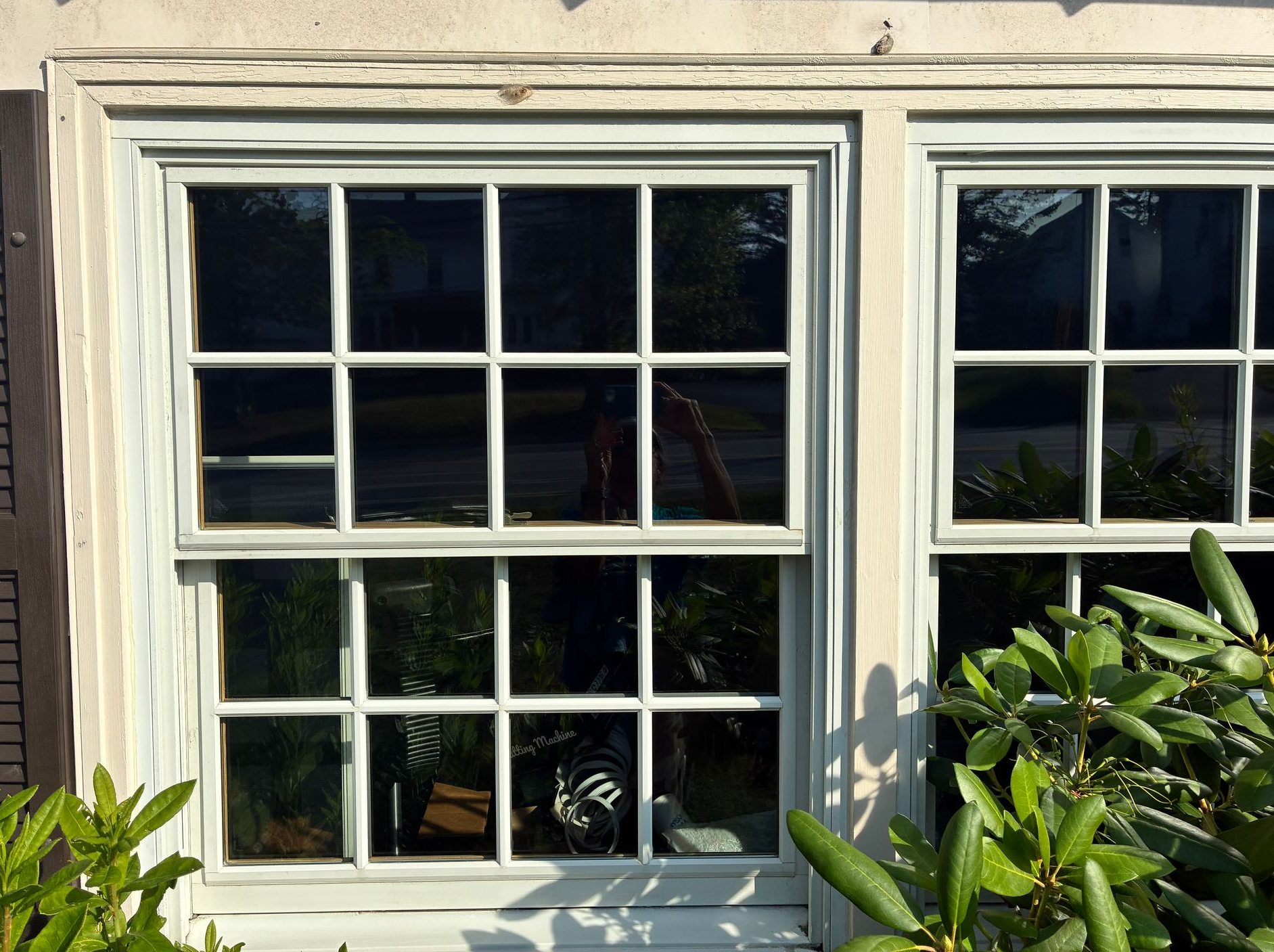
Sparkling clean windows on a Maine home

The chemical process of glass etching

Many people believe that glass is a completely smooth, impermeable surface. In reality, glass is porous at a microscopic level. When salt residue is allowed to sit on these pores, the alkaline nature of the salt begins to break down the silica structure of the glass. This is the definition of etching. Unlike a smudge of dirt that can be wiped away, etching is a permanent change to the glass surface.

As the etching progresses, the glass loses its transparency and takes on a milky, hazy appearance. This haze is actually a series of tiny pits and scratches that scatter light rather than letting it pass through cleanly. If you wait too long to address this buildup, even the most rigorous Window Cleaning Service might not be able to restore the glass to its original clarity. This is why consistent maintenance is the only real defense for properties located within five miles of the coast.

How salt spray compromises window hardware and seals

While the glass itself is the most visible victim of salt air, the functional components of your windows are equally at risk. Modern windows rely on complex hardware, including cranks, hinges, locks, and tracks. Most of these components are made of metal—often stainless steel or aluminum. While these metals are more resistant to rust than iron, they are not immune to the corrosive power of Maine’s coastal environment.

Salt air window damage often manifests as "white rust" or oxidation on aluminum frames. This creates a rough, chalky residue that can cause windows to stick or become difficult to operate. More critically, salt can find its way into the rubber and silicone seals that keep your home insulated. As salt crystals dry and expand within the tiny crevices of these seals, they can cause the material to crack or pull away from the frame. Once a seal is compromised, moisture can enter the space between double-pane glass, leading to permanent fogging and a total loss of energy efficiency.

Salt crystals on a window pane

Signs of salt-induced glass corrosion

Identifying the early stages of damage can save you thousands of dollars in window replacement costs. Homeowners in the Mid-coast area should regularly inspect their windows for the following red flags:

  • A persistent white, hazy film that returns shortly after a standard cleaning.
  • A gritty or rough texture when you run your fingernail across the glass.
  • Discoloration or pitting on the metal tracks and hardware.
  • Brittleness or cracking in the exterior caulking and window seals.
  • Difficulty opening or closing the window due to friction in the tracks.

If you notice these signs, it is time to move beyond simple DIY methods and look into professional restoration. Regular maintenance through House Soft Washing can also help prevent the salt from migrating from your siding onto your glass surfaces.

How often should you clean windows near the ocean?

The frequency of your cleaning schedule depends entirely on your proximity to the water and the direction of the prevailing winds. For homes directly on the waterfront in Camden, ME , a monthly exterior cleaning is often necessary to prevent permanent etching. For those located slightly further inland, a quarterly schedule is usually sufficient.

However, after a major storm or a period of high winds, it is always a good idea to rinse your windows. Nor'easters can carry salt spray much further inland than usual, coating entire neighborhoods in a thick layer of brine. Waiting until your regular spring cleaning to address this can allow enough time for the etching process to begin. We recommend a professional deep clean twice a year—once in the spring to clear away winter salt and once in the fall to prepare for the harsh winter months.

Can you remove salt spray buildup yourself?

Many Maine homeowners attempt to tackle salt air window damage with a garden hose and a squeegee. While better than doing nothing, this approach has several pitfalls. First, using high-pressure water from a traditional pressure washer can actually force salt deeper into the window seals or even crack the glass. Second, if your tap water has a high mineral content (common in well water), you may simply be replacing salt deposits with calcium and magnesium deposits, which are just as difficult to remove.

Furthermore, scrubbing salt-encrusted glass with a cloth or sponge can act like sandpaper. Without the proper lubrication and chemical agents to break down the salt bonds, you risk scratching the glass while trying to clean it. Professional cleaners use specialized solutions designed to neutralize the acidity of the salt and lift it away from the glass pores without the need for abrasive scrubbing. This ensures the salt is completely removed, not just moved around.

Professional window maintenance strategies

At Belfast Power Wash, we utilize a combination of techniques to combat salt air window damage. For coastal properties, we often recommend a multi-step process that addresses the entire building envelope. This ensures that salt doesn't just wash off the roof and back onto your clean windows during the next rain shower.

Our professional strategies include:

  • Pure Water Technology: Using deionized water that acts like a magnet for minerals and salt.
  • Soft Wash Integration: Gently cleaning the surrounding siding to remove salt reservoirs.
  • Hardware Lubrication: Treating metal components with marine-grade protectants.
  • Eco-Friendly Surfactants: Using soaps that break the surface tension of salt without harming Maine’s delicate coastal ecosystem.
  • Water-Fed Poles: Reaching high or difficult windows safely without the risk of ladder damage to your landscaping.

By integrating services like Dock & Marine Cleaning and window washing, we provide a comprehensive shield for your coastal investment.

Why soft washing is safer for coastal siding and glass?

When dealing with salt-heavy environments, the "more power" approach of traditional pressure washing is often counterproductive. High pressure can blast salt into the soffits and behind the siding of your home, where it will slowly corrode your structure from the inside out. This is why we specialize in soft washing. This method uses low-pressure water combined with specialized cleaning solutions to gently dissolve salt, mold, and mildew.

Soft washing is particularly beneficial for windows because it cleans the entire window unit—including the frames, sills, and screens—without the risk of breaking seals. It’s a holistic approach that keeps your whole home cleaner for longer. When the siding is free of salt, the wind won't blow salt particles onto your freshly cleaned glass, extending the life of your Window Cleaning Service .

Summary: Protecting your coastal Maine views

To prevent permanent salt air window damage, coastal homeowners must be proactive. Salt air is a constant force in the Mid-coast region, and neglecting it leads to etched glass and failed window units. By understanding the chemical nature of salt and implementing a regular cleaning schedule, you can preserve both the beauty and the value of your Maine home.

  • Clean Regularly: Aim for at least quarterly cleanings if you are near the water.
  • Monitor Hardware: Watch for signs of corrosion or sticking in window tracks.
  • Avoid High Pressure: Use soft washing to protect seals and prevent salt migration.
  • Trust Professionals: Use pure-water systems to ensure all mineral deposits are removed.
  • Rinse After Storms: A simple low-pressure rinse after high winds can prevent salt from settling.

Don't let the salt air cloud your view of the beautiful Maine coast. Contact a professional today to set up a maintenance plan that keeps your windows clear and your home protected.

Recent Posts

Clean brick commercial building in Belfast Maine showing high curb appeal
July 24, 2026
Discover why regular commercial pressure washing is essential for businesses in Belfast, Maine. Boost curb appeal, protect against coastal salt, and ensure customer safety.
A clean coastal home in Belfast, Maine featuring pristine vinyl siding after a soft wash service.
July 15, 2026
Learn why soft washing is the superior choice for home siding in Belfast, ME. Compare methods, costs, and safety for your exterior cleaning needs.
A beautiful clean wooden deck in a coastal Maine backyard.
July 9, 2026
Expert tips for Maine homeowners on how to safely clean a wood deck. Learn the soft wash method to protect your wood from damage this summer.
Professional roof soft washing treatment on a Maine home.
June 30, 2026
Discover why roof soft washing is the safest way to remove moss from your Belfast, Maine home. Protect your roof and improve curb appeal today.
Clogged gutter overflowing with water and leaves on a Maine home.
June 30, 2026
Learn why clogged gutters lead to serious home water damage in Belfast, ME. Discover the risks of foundation rot, roof leaks, and siding damage in this expert guide.
A clean Maine home exterior in the spring sun.
June 30, 2026
Prepare your Belfast or Camden seasonal home with our comprehensive spring property opening checklist. Get your Maine property summer-ready today.
A clean wooden dock overlooking the Maine coastline.
June 30, 2026
Discover why regular dock cleaning is vital for Belfast and Camden waterfront homes. Learn how to prevent rot, algae, and salt damage with expert tips from Belfast Power Wash.
A clean driveway in Belfast, Maine
June 30, 2026
Discover how often you should pressure wash your driveway in Belfast, ME. Learn about seasonal maintenance, local weather impacts, and professional tips.
Professional exterior cleaning comparison for Belfast Maine homes.
June 1, 2026
Learn the difference between pressure washing vs soft washing for your Belfast, ME home. Discover which method safely cleans siding, roofs, and decks in Mid-coast Maine.