How to Remove Black Streaks on Maine Roofs
Black streaks on Maine roofs are usually caused by Gloeocapsa magma , a blue-green algae that feeds on limestone in asphalt shingles. Coastal moisture, shade, and frequent rain help it spread. The streaks are not ordinary dirt, and gentle roof soft washing can remove the growth without the damaging pressure used for driveways.
What causes black streaks on Maine roofs?
The dark lines running down many roofs around Belfast, Camden, and the wider Midcoast are typically algae colonies. The most common organism is Gloeocapsa magma, which produces a dark protective pigment as it grows.
Maine’s conditions make roofs especially vulnerable:
- Frequent rain and coastal humidity keep shingles damp.
- Tree cover creates shade and slows drying.
- Northern-facing roof slopes receive less direct sunlight.
- Wind carries organic material, pollen, and spores onto shingles.
- Older shingles may contain exposed limestone granules that algae can use as a food source.
Because algae spread gradually, homeowners may first notice a few narrow marks before the entire roof develops broad black or greenish streaks. A roof can be structurally sound while still showing significant biological growth.
Are black roof streaks dirt or algae?
In most cases, black roof streaks are algae rather than dirt. Dirt may collect in patches, particularly beneath trees, but algae usually creates distinctive vertical trails that follow the slope of the shingles.
A few clues can help you tell the difference:
- Appearance: Algae often looks like blue-black, gray, or green discoloration.
- Pattern: Streaks commonly run downward with rainwater.
- Location: Growth is heavier on shaded or damp roof sections.
- Persistence: Ordinary rinsing may not remove established algae.
- Return: If the underlying growth is not treated, discoloration comes back.
Moss and lichen are related but different concerns. Moss forms raised, soft mats, while lichen can attach firmly to the shingle surface. All three should be handled carefully because aggressive removal can loosen granules or damage the roof.
Why can algae shorten roof life?
Algae does not usually destroy a roof overnight. The concern is the long-term effect of repeated moisture and biological growth on shingles.
Algae-darkened areas absorb more heat than clean shingles. Combined with Maine’s freeze-thaw cycles, this can contribute to faster aging of roofing materials. Growth can also retain moisture against the surface, encourage moss, and hide early signs of wear.
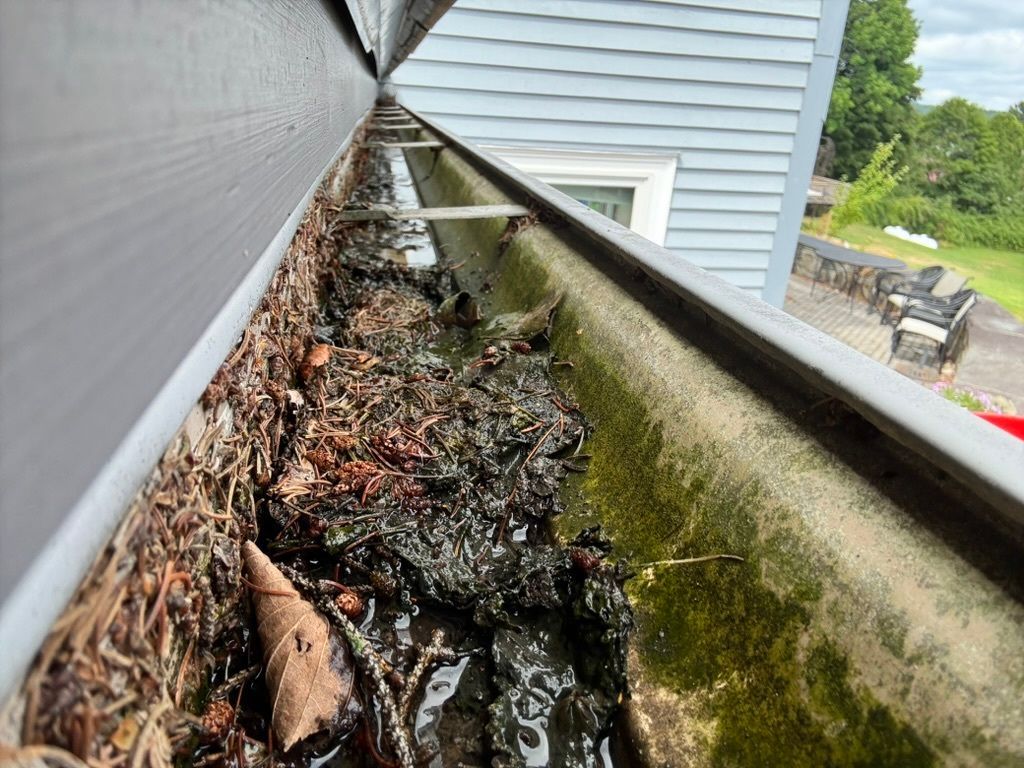
Black streaks may also signal conditions that affect the roof more broadly. A shaded roof with poor drainage, overhanging branches, or clogged gutters can remain wet longer after rain. Those conditions can increase wear even when algae is only the most visible symptom.
Cleaning does not make an old roof new, and it cannot repair failed shingles. However, removing growth carefully can improve appearance, reduce moisture retention, and help homeowners monitor the roof’s actual condition.
How does gentle roof soft washing remove algae?
Roof soft washing uses a low-pressure application of a cleaning solution designed to break down algae and other organic growth. The solution is allowed to dwell, then the roof is rinsed gently so the shingles are not blasted with high pressure.
A professional roof cleaning process commonly includes:
- Inspecting the roof, shingles, gutters, landscaping, and nearby surfaces.
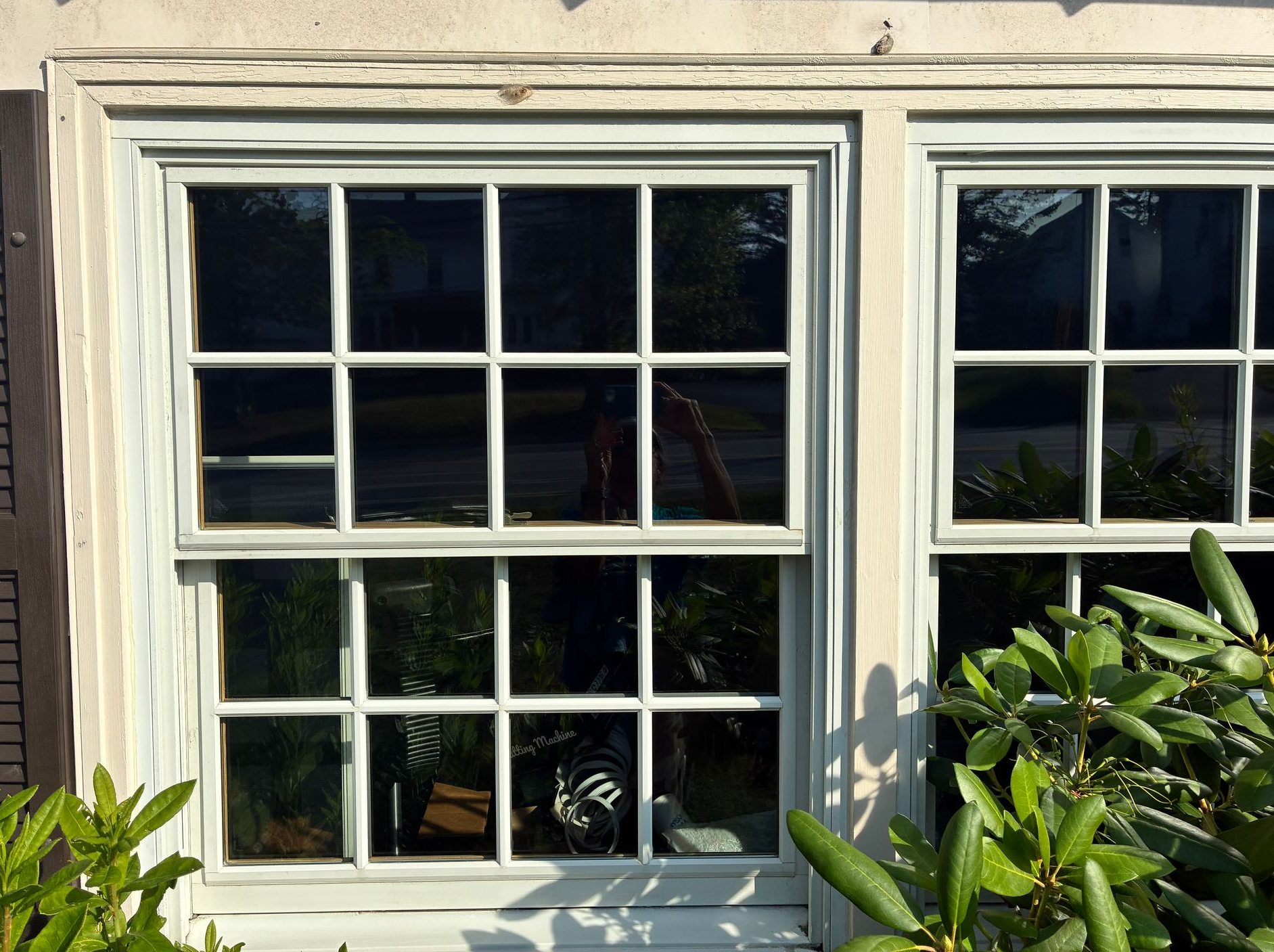
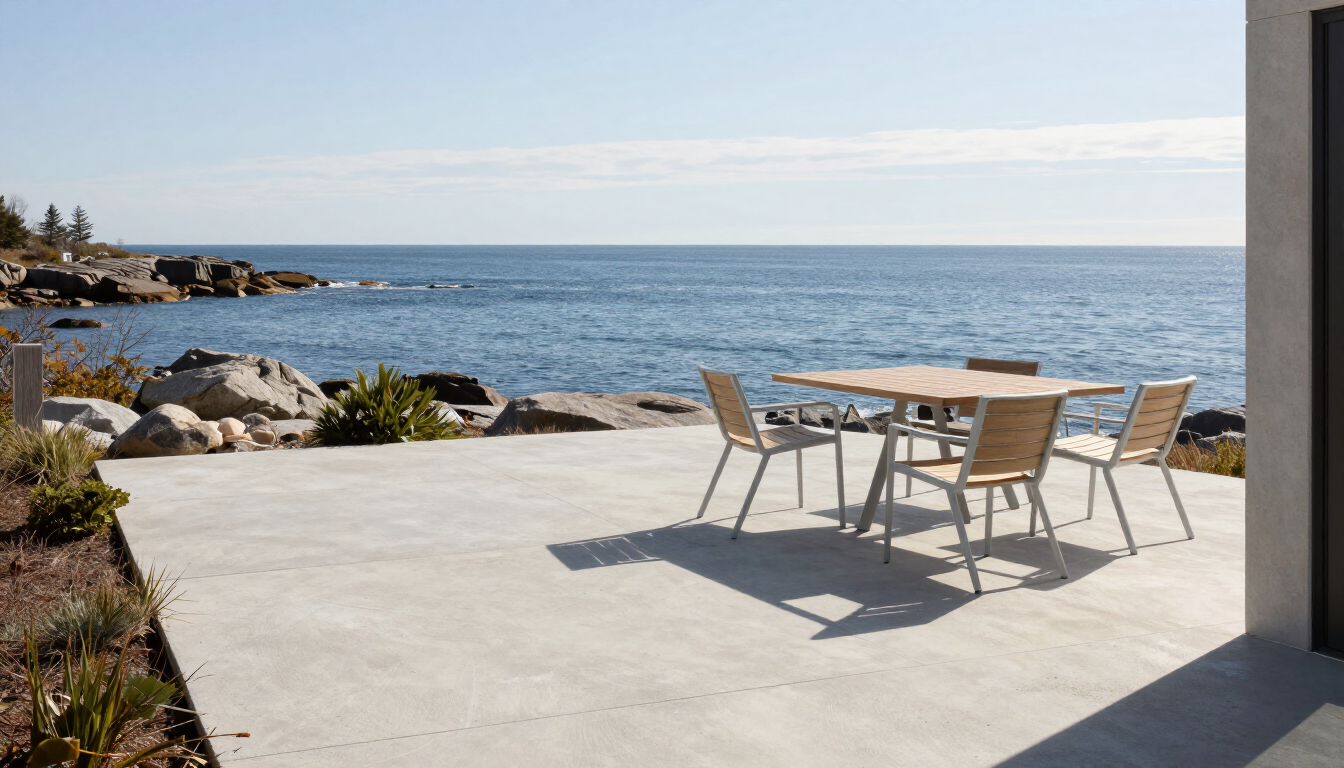
- Protecting plants, siding, windows, fixtures, and outdoor furniture.
- Applying an appropriate solution at low pressure.
- Allowing sufficient dwell time for the algae to release.
- Rinsing carefully without forcing water beneath shingles.
- Reviewing the finished roof and cleaning surrounding areas.
The goal is treatment, not abrasion. A qualified technician adjusts the approach for roof age, slope, material, weather, and the amount of growth present.
Why is pressure washing risky for asphalt shingles?
High-pressure washing can remove more than algae. It may strip protective granules, mark the shingle surface, force water under roofing materials, and damage flashing or sealants. It can also spread contaminated runoff onto siding, decks, windows, and landscaping.
That is why roof cleaning should not be approached like driveway and patio pressure washing . Hard, durable surfaces can tolerate a different cleaning method than asphalt shingles.
Avoid using a pressure washer from the ground or climbing onto a roof without proper training. Wet shingles are slippery, and roof work introduces fall hazards even when the roof appears easy to access.
When should Maine homeowners clean a roof?
The best time depends on weather, roof condition, access, and the amount of growth. A mild, reasonably dry period is generally preferable because the treatment needs time to work and surfaces should not be saturated by immediate heavy rain.
Homeowners should consider an inspection when they notice:
- New black streaks spreading across multiple shingle courses.
- Moss, lichen, or debris collecting in shaded areas.
- Gutters overflowing or holding organic material.
- Tree branches touching or heavily shading the roof.
- Stains returning soon after a previous cleaning.
Do not wait for the roof to look completely black. Early attention can make the work more manageable and may help protect the roof’s remaining service life. For a broader exterior plan, compare roof cleaning with house soft washing and gutter cleaning .
Is roof soft washing safe for homes in Belfast and Camden?
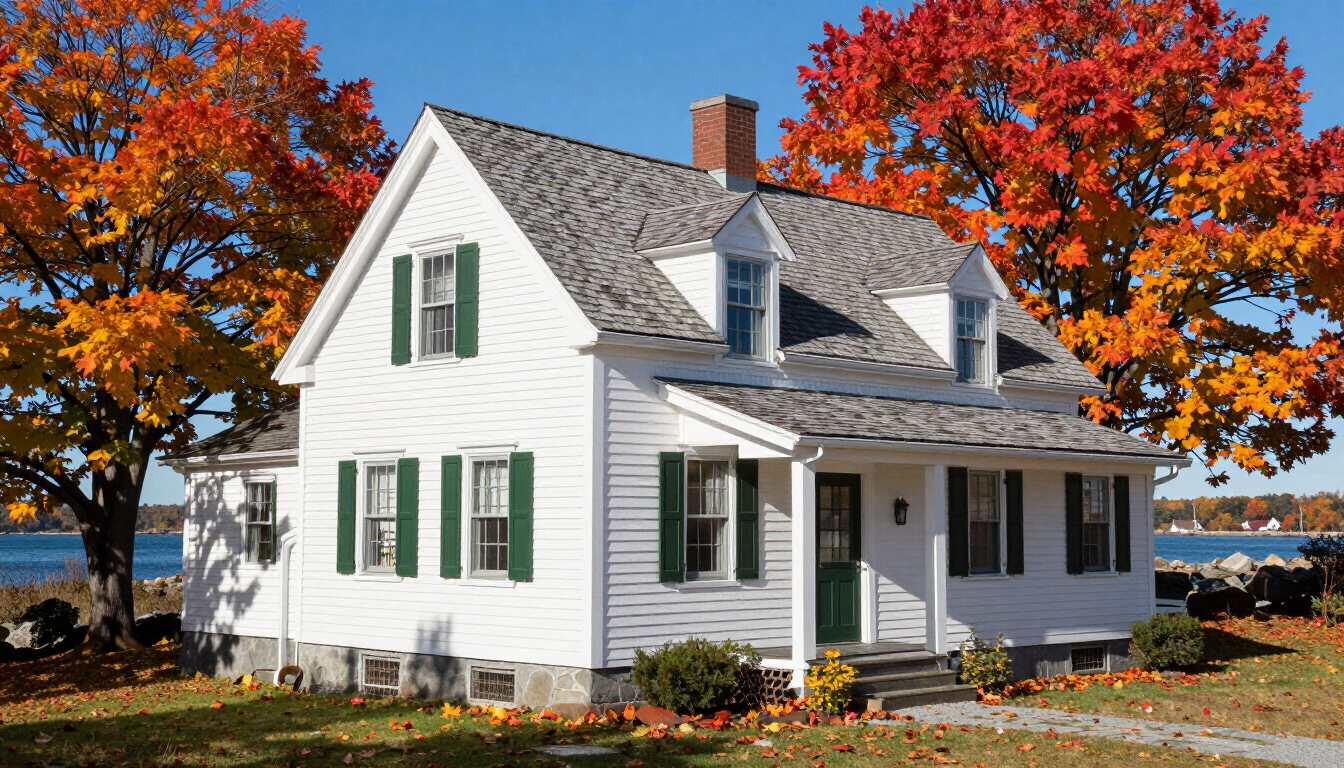
It can be, when performed by an experienced exterior cleaning company using appropriate methods. Homes in Belfast, Camden, Lincolnville, and nearby coastal communities often have a combination of asphalt roofs, painted siding, decks, landscaping, and water-sensitive outdoor features.
A careful service should account for:
- Roof material and condition.
- Nearby gardens, shrubs, and ornamental plants.
- Rain barrels, wells, ponds, and drainage routes.
- Windows, doors, painted surfaces, and outdoor furniture.
- Safe access without unnecessary foot traffic on the roof.
Before scheduling, ask what cleaning method will be used, how plants and property will be protected, and whether the company carries insurance. You can learn more about local service options through Belfast Power Wash’s roof cleaning service , or contact the company for a property-specific evaluation at /contact .
How can homeowners help prevent roof algae?
No prevention method can guarantee a permanently spotless roof, especially in Maine’s damp coastal climate. Still, routine maintenance can slow the return of growth:
- Keep gutters clear so water drains properly.
- Trim branches that touch the roof or create dense shade.
- Remove leaves and organic debris when it is safe to do so.
- Check for damaged shingles, flashing, and areas that stay wet.
- Schedule professional cleaning before growth becomes heavy.
Zinc or copper strips may help limit future growth in some situations, but they are not a substitute for proper roof inspection or cleaning. Their suitability depends on the roof and how water moves across it.
Key takeaways for Midcoast Maine homeowners
Black streaks on Maine roofs are usually algae, not simple dirt. They thrive where moisture, shade, and organic debris keep shingles damp, and they can contribute to premature roof aging over time. Gentle soft washing treats the growth without the damaging force of conventional pressure washing.
If your Belfast or Camden home has spreading streaks, moss, or persistent damp areas, start with a roof condition assessment. Compare the roof’s material and age, ask how the surrounding property will be protected, and choose a low-pressure cleaning method suited to asphalt shingles. Acting before growth becomes extensive can improve curb appeal and make ongoing roof maintenance easier.