
How to Clean Concrete Patios & Remove Salt Stains
To remove winter salt stains from concrete patios, use a professional-grade pressure washing service or a solution of warm water mixed with white vinegar. These white, chalky marks are mineral deposits left behind after snowmelt. Deep cleaning prevents long-term erosion, spalling, and cracking caused by the corrosive nature of road salts.
Why does winter salt damage concrete walkways?
In Midcoast Maine, winter is synonymous with heavy snow and icy surfaces. To keep our homes safe, we often rely on de-icing agents like sodium chloride (rock salt), calcium chloride, or magnesium chloride. While these are effective at melting ice, they are incredibly harsh on porous surfaces like concrete. Concrete might look solid, but it is actually a sponge-like material full of microscopic pores. When salt-laden water seeps into these pores, it doesn't just sit there.
As the temperature fluctuates—a common occurrence in Belfast, ME —the saltwater undergoes a freeze-thaw cycle. When the water freezes inside the concrete, it expands, creating internal pressure. Over time, this pressure leads to "spalling," where the surface of the concrete begins to flake or pit. Furthermore, salt is hydroscopic, meaning it attracts water. This keeps the concrete more saturated than it would be otherwise, increasing the number of freeze-thaw cycles and accelerating the degradation. This is why a thorough spring property opening is essential for any homeowner looking to preserve their investment.
How do you get salt stains off concrete?
Removing those stubborn white streaks requires more than just a quick spray with a garden hose. Because salt is a mineral, it can bond deeply with the concrete substrate. If you are attempting to handle this yourself, the process generally follows these steps:
- Clear the Area: Remove all patio furniture, planters, and debris.
- Dry Sweep: Use a stiff-bristle broom to remove loose dirt and salt crystals.
- Vinegar Solution: Mix one part white vinegar with one part warm water and a squeeze of dish soap. The acidity of the vinegar helps break down the mineral bonds of the salt.
- Scrubbing: Apply the solution to the stained areas and scrub vigorously with a nylon brush.
- Rinse: Thoroughly rinse the area with clean water.
While this DIY method works for light staining, most Maine homes deal with heavy accumulation from road salt runoff and tracking. In these cases, professional pressure washing is the most effective solution. Professional equipment provides the consistent high pressure and high volume of water necessary to flush salt out of the deep pores of the concrete, ensuring a truly clean surface that is ready for the summer season.
Is professional pressure washing worth it?
Many homeowners wonder if they should rent a machine or hire a professional team. While renting is an option, there are several risks involved. Concrete can actually be damaged by improper pressure washing. If the nozzle is too close or the PSI is too high, you can etch lines into the surface or blow out the aggregate. Professionals, like the team at Belfast Power Wash, understand the specific PSI requirements for different types of concrete, whether it’s a poured slab, stamped concrete, or pavers in Camden, ME .
Additionally, professionals have access to specialized cleaning agents that are biodegradable and safe for your landscaping but tough on salt and organic growth. If your patio has also accumulated moss, algae, or mildew over the winter, a professional service can combine concrete cleaning with house soft washing to give your entire exterior a fresh, clean look without the risk of damage.
The Best Time for Spring Concrete Cleaning
Timing is everything when it comes to property maintenance in the Northeast. You don't want to clean your walkways too early when there is still a risk of more snow and salting. However, leaving salt on the surface for too long into the warm months can allow the chemicals to bake into the surface, making them harder to remove. Generally, the best time for concrete cleaning in Rockland, ME and the surrounding areas is mid-to-late April or early May.
By this time, the ground has thawed, the threat of major snowstorms has passed, and you are ready to set up your outdoor living spaces. Cleaning your concrete at this stage also allows you to inspect for any damage that occurred over the winter, such as new cracks or shifting. This is also a great time to consider other exterior needs, such as window cleaning service or gutter cleaning , to ensure your home is fully prepared for the humid Maine summer.
Benefits of Sealing Your Concrete After Cleaning
Once your concrete is clean and the salt stains are gone, the next logical step is protection. Sealing your concrete is like putting a raincoat on your patio. A high-quality sealer will:
- Repel Water: Prevents moisture from soaking into the pores.
- Resist Salt: Makes it much harder for salt to bond with the surface next winter.
- Prevent Fading: Protects stamped or colored concrete from UV rays.
- Stop Organic Growth: Makes the surface less hospitable to moss and algae.
- Ease of Cleaning: Future cleaning becomes a simple rinse rather than a deep scrub.
Can you prevent salt damage on walkways?
While you can't control the Maine weather, you can control how you manage it. To minimize the need for heavy scrubbing and pressure washing next year, consider these preventative measures:
- Use Sand Instead of Salt: Sand provides traction without the chemical corrosion of salt.
- Choose Salt-Free De-icers: Look for products containing CMA (Calcium Magnesium Acetate), which is less harmful to concrete and plants.
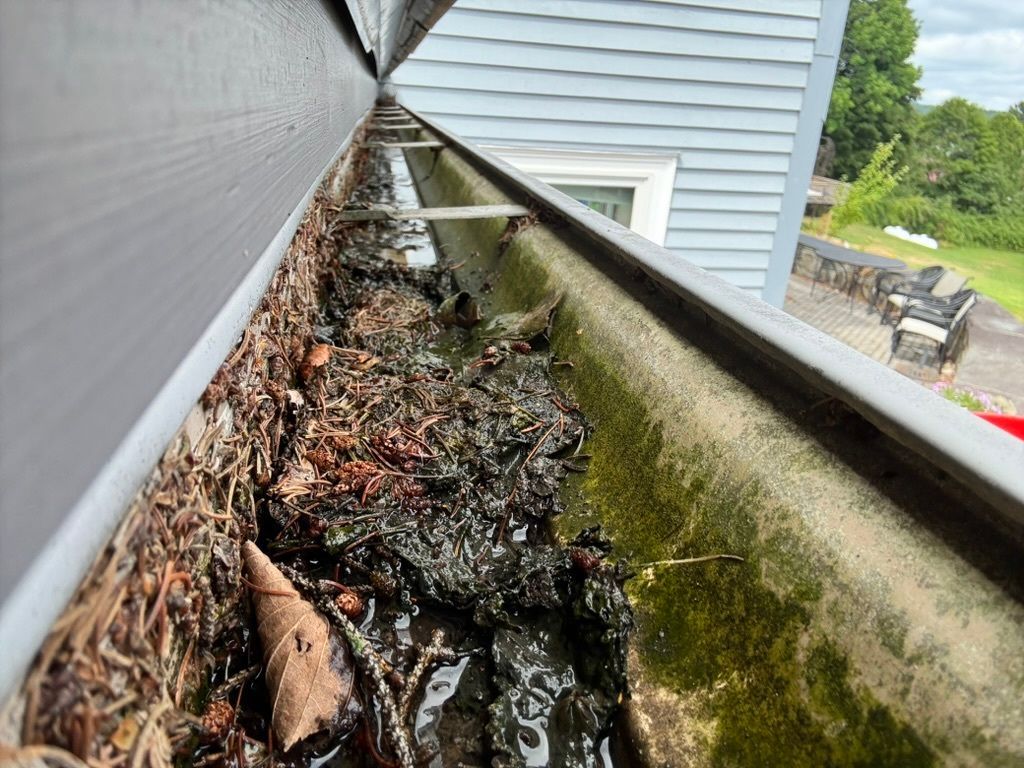
- Redirect Runoff: Ensure your gutters and downspouts are clear so that salt-heavy snowmelt doesn't pool on your walkways.
- Regular Rinsing: During winter thaws, give your concrete a quick rinse with a hose if temperatures allow, just to move the surface salt away.
Essential Spring Concrete Cleaning Takeaways
Maintaining your concrete surfaces in Midcoast Maine is a critical part of homeownership that shouldn't be overlooked. Removing winter salt stains in the spring is the best way to prevent permanent damage and keep your property looking its best. To summarize the key points of this guide:
- Salt is Corrosive: It causes physical damage through the freeze-thaw cycle and chemical erosion.
- White Stains are Removable: Use a vinegar solution for light DIY cleaning or professional pressure washing for heavy stains.
- Timing Matters: Schedule your cleaning for mid-spring after the final frost to ensure a long-lasting clean.
- Protection is Key: Consider sealing your concrete after cleaning to simplify future maintenance and protect against next winter's salt.
- Professional Help is Available: For those in the Belfast and Midcoast area, hiring experts ensures the job is done safely and effectively.
If you're ready to restore your patio, walkway, or driveway, contact us today to learn more about our comprehensive exterior cleaning services tailored for the Maine climate.