
How Often to Pressure Wash Your Driveway (2026 Guide)
Most Midcoast Maine homeowners should pressure wash their driveways once every one to two years . This frequency ensures the removal of salt, moss, and dirt buildup common in the coastal environment, preventing premature surface degradation and maintaining curb appeal throughout the changing seasons in Waldo County.
How often should you pressure wash your driveway in Maine?
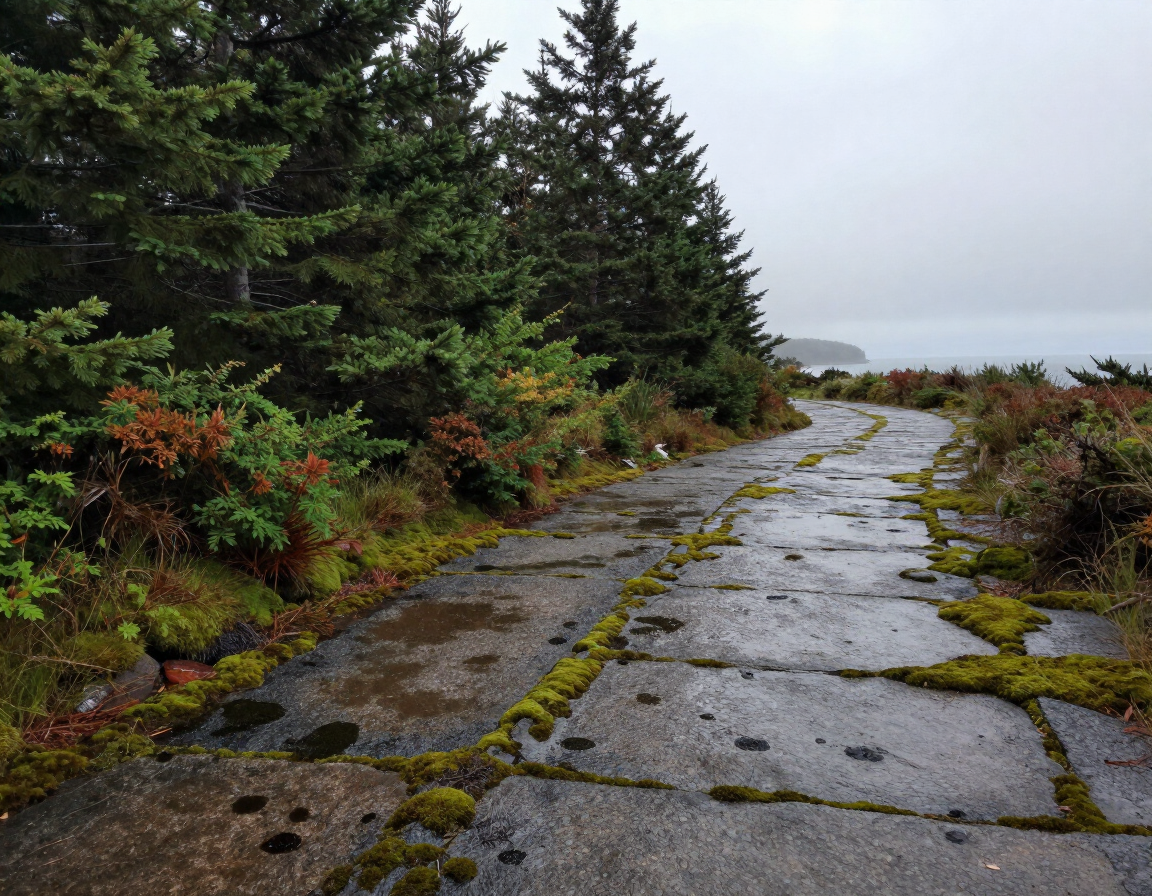
Determining the exact frequency for pressure washing depends largely on the specific conditions surrounding your property. While a biennial schedule works for many, several local factors in Belfast, ME might necessitate an annual cleaning. If your driveway is nestled under a thick canopy of pine or oak trees, you likely deal with significant organic debris. Pine needles, sap, and falling leaves don't just look messy; they trap moisture against the surface, encouraging the growth of slick algae and moss.
For properties with high sun exposure, you might be able to stretch the time between cleanings. However, Maine’s high humidity and coastal air often lead to microscopic biological growth even on the sunniest surfaces. Regular maintenance prevents these organisms from rooting deeply into the pores of your concrete or asphalt. A clean driveway doesn't just look better—it lasts longer. By scheduling regular service, you avoid the heavy build-up that eventually requires more aggressive cleaning methods or, worse, expensive repairs due to surface pitting and cracking.
Why does Midcoast Maine weather affect driveway cleanliness?
The unique climate of Midcoast Maine presents several challenges for driveway maintenance. Living in towns like Searsport, ME or Camden, ME means your property is constantly exposed to the Atlantic’s salt-heavy air. Salt is highly corrosive and can penetrate porous driveway materials, leading to accelerated wear.
Furthermore, our winters are notoriously harsh. The cycle of freezing and thawing is a primary cause of driveway damage. When water from melting snow or rain seeps into small cracks and then freezes, it expands, widening those cracks over time. If your driveway is covered in a layer of dirt, moss, or grime, it retains more moisture, exacerbating this freeze-thaw damage. Additionally, the sand and road salt tracked in from winter driving can become embedded in the surface, acting like sandpaper under the weight of your vehicle. A thorough spring cleaning removes these abrasive materials before they can cause lasting structural issues.
Seasonal Maintenance Tips for Belfast Homeowners
Timing your driveway cleaning is just as important as the cleaning itself. In the Midcoast region, we recommend two primary windows for professional service. The most popular time is during the Spring Property Opening . After the snow melts and the mud season subsides, a deep clean removes the remnants of winter—road salt, sand, and grime. This sets a clean foundation for the summer months when you’re most likely to be hosting guests or enjoying outdoor activities.
Alternatively, a late fall cleaning can be highly beneficial. By removing the summer’s accumulation of pollen, dust, and organic matter before the first snowfall, you ensure that these materials don't sit trapped under ice for several months. Regardless of which season you choose, consistency is the key to longevity.
- Clear debris like leaves and pine needles weekly.
- Address oil or fluid leaks immediately with absorbent materials.
- Inspect for new cracks every spring and fall.
- Ensure proper drainage away from the driveway surface.
- Schedule professional washing every 12 to 24 months.
What are the signs your driveway needs immediate cleaning?
Sometimes, your driveway will tell you it needs attention long before your scheduled two-year mark. One of the most obvious signs is the appearance of green or black streaks. These are often colonies of algae or mold that thrive in the damp Maine air. Not only are they unsightly, but they also become incredibly slippery when wet, posing a significant slip-and-fall risk for your family and visitors.
Another red flag is the presence of standing water or a "slimy" feel after a light rain. This indicates that the pores of your driveway are clogged with organic matter and silt, preventing proper drainage. You might also notice dark stains from vehicle fluids. These aren't just cosmetic issues; oil and gasoline can chemically degrade asphalt, softening the binder and leading to potholes. If you notice any of these signs, it is best to contact a professional service sooner rather than later to protect your investment.
The Difference Between DIY and Professional Power Washing
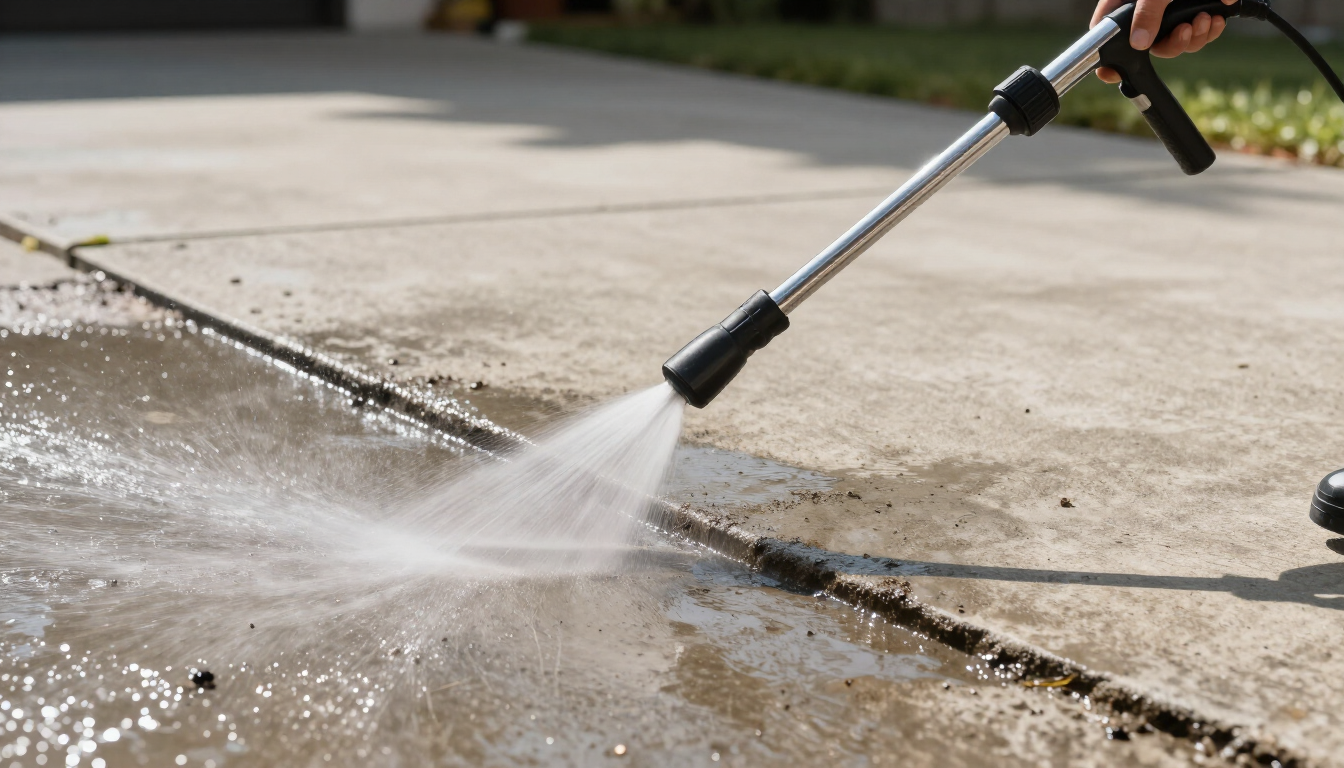
While many homeowners consider renting a machine from a local hardware store, there is a significant difference between DIY efforts and professional results. Professional-grade equipment allows for adjustable pressure and high-volume water flow, which is crucial for a deep clean without damaging the surface. Many consumer-grade pressure washers rely on high PSI (pounds per square inch) alone, which can actually etch concrete or strip the top layer of asphalt if used incorrectly.
At Belfast Power Wash, we utilize specialized eco-friendly cleaning solutions that break down biological growth at the root. A simple water-only blast often leaves the spores behind, meaning the moss and algae will return much faster. Furthermore, professionals understand the nuances of different materials. For example, we often recommend a "soft wash" approach for certain surfaces to ensure the integrity of the material remains intact while still achieving a pristine finish. Hiring a pro saves you a weekend of back-breaking labor and ensures the job is done safely and effectively.
Is pressure washing safe for all driveway materials?
Yes, pressure washing is generally safe for all common driveway materials, provided the correct techniques are used. However, the approach varies significantly based on what your driveway is made of:
- Concrete: Highly durable and can handle higher pressure, but is prone to staining and salt damage.
- Asphalt: Requires a gentler touch and specific cleaning agents to avoid stripping the oils that keep it flexible.
- Pavers: Needs careful pressure to avoid dislodging the joint sand; often followed by a re-sanding process.
- Stone/Gravel: Not suitable for traditional pressure washing; usually requires manual clearing and occasional replenishment.
In Midcoast Maine, many older homes feature aggregate or weathered concrete. These surfaces require an expert eye to ensure that the cleaning process doesn't inadvertently cause surface scaling. By choosing a local expert who understands the local architecture and materials, you can rest assured that your driveway will be handled with the appropriate care.
How does professional cleaning prolong driveway life?
Think of driveway cleaning as a form of preventative maintenance, much like changing the oil in your car. A driveway is a significant financial investment, and replacing one in Waldo County can cost thousands of dollars. Regular pressure washing prevents the buildup of materials that cause structural failure. When algae and moss are allowed to grow, they hold moisture against the surface and their roots can actually expand existing micro-cracks.
Furthermore, removing salt and acidic organic matter prevents the chemical breakdown of the driveway's surface. A clean, well-maintained driveway also allows for better adhesion of sealants. If you plan on sealing your driveway to protect it from the elements, a professional pressure wash is a mandatory first step. Without it, the sealant will bond to the dirt rather than the driveway, leading to peeling and failure within a single season. Investing in cleaning now saves you from the massive expense of a full driveway replacement later.
Final Recommendations for Midcoast Property Owners
Maintaining a home in the Belfast area requires a proactive approach to the elements. Between the salt air and the heavy winters, your driveway takes a beating. To keep your property looking its best and to ensure your driveway lasts for decades, we recommend a consistent cleaning schedule. Don't wait for the moss to become a carpet or for the salt to pit your concrete.
Summary of driveway maintenance takeaways:
- Frequency: Aim for a professional wash every 12-24 months.
- Best Time: Spring is ideal for removing winter salt and sand.
- Safety First: Clean driveways are less slippery and safer for foot traffic.
- Value: Regular cleaning is the most cost-effective way to prevent driveway replacement.
- Expertise: Use professional services to ensure the right pressure and cleaners are used for your specific material.